


About Vacaville
Welcome to Vacaville! Our beautiful and beloved city sits in the heart of Northern California, blending rich agricultural heritage, vibrant community spirit, and endless opportunities for exploration.
From farm-fresh flavors and outdoor adventures to local arts, shopping, and family-friendly attractions, Vacaville offers visitors a truly authentic California experience filled with charm, discovery, and warm hospitality.

Where Is Vacaville
Our tight-knit community sits halfway between the energy of San Francisco and the natural beauty of Lake Tahoe, conveniently located along the I-80 corridor connecting Northern California’s most iconic destinations. Known for its sunny climate, rolling hills, thriving agricultural roots, charming historic downtown, and welcoming spirit, Vacaville offers the perfect blend of small-town charm and big-city accessibility.
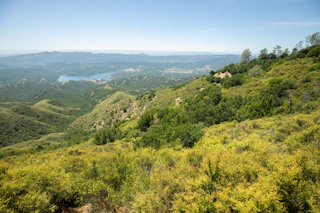
Today, Vacaville continues to flourish as one of Northern California’s most exciting and dynamic destinations. From the scenic trails of Browns Valley to the waters of Lagoon Valley, opportunities for outdoor recreation continue to expand. The city’s thriving food and beverage scene showcases everything from farm-fresh flavors and local breweries to award-winning wineries and iconic hometown favorites. Arts and culture are taking center stage, shopping shines with the world’s biggest brands and unique local boutiques, and a full calendar of year-round events keeps the community buzzing.
Native Peoples
Vacaville’s story begins long before its founding by the Vaca and Peña families. The Patwin people (a branch of the Wintun Nation) lived throughout the valleys and waterways of what is now Solano County for generations, developing deep cultural and spiritual connections to the land. As the region’s original stewards, the Patwin helped shape the landscape through their knowledge, traditions, and way of life. Today, Vacaville honors the Patwin people and recognizes them as the original caretakers of this land.

Town History
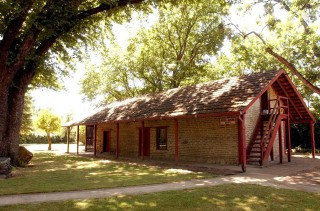
Founded in 1851 on land purchased by William McDaniel from Juan Manuel Vaca, Vacaville traces its roots to the Rancho Los Putos land grant awarded to Vaca and Juan Felipe Peña in 1843. Named in honor of Vaca—whose surname means "cow" in Spanish—the city proudly embraces its agricultural heritage, a legacy that still lives on today in its longtime nickname, "Cow Town." What began as a small agricultural settlement grew into a thriving Northern California community, thanks to fertile soil, abundant water, and a strategic location along key transportation routes.
A Beloved Institution
Ask almost any longtime Californian about Vacaville, and chances are they’ll have their own cherished Nut Tree story to share. What started as a small fruit stand opened by the Power family in 1921 grew into a world-famous roadside destination that drew visitors from across the globe. From fresh-baked treats and first-class meals to train rides and family adventures, the Nut Tree became a cherished stop for generations of travelers. While the original Nut Tree closed in 1996, its legacy continues to shape Vacaville’s identity, and the reimagined Nut Tree Plaza remains a welcoming gathering place for locals and visitors alike.